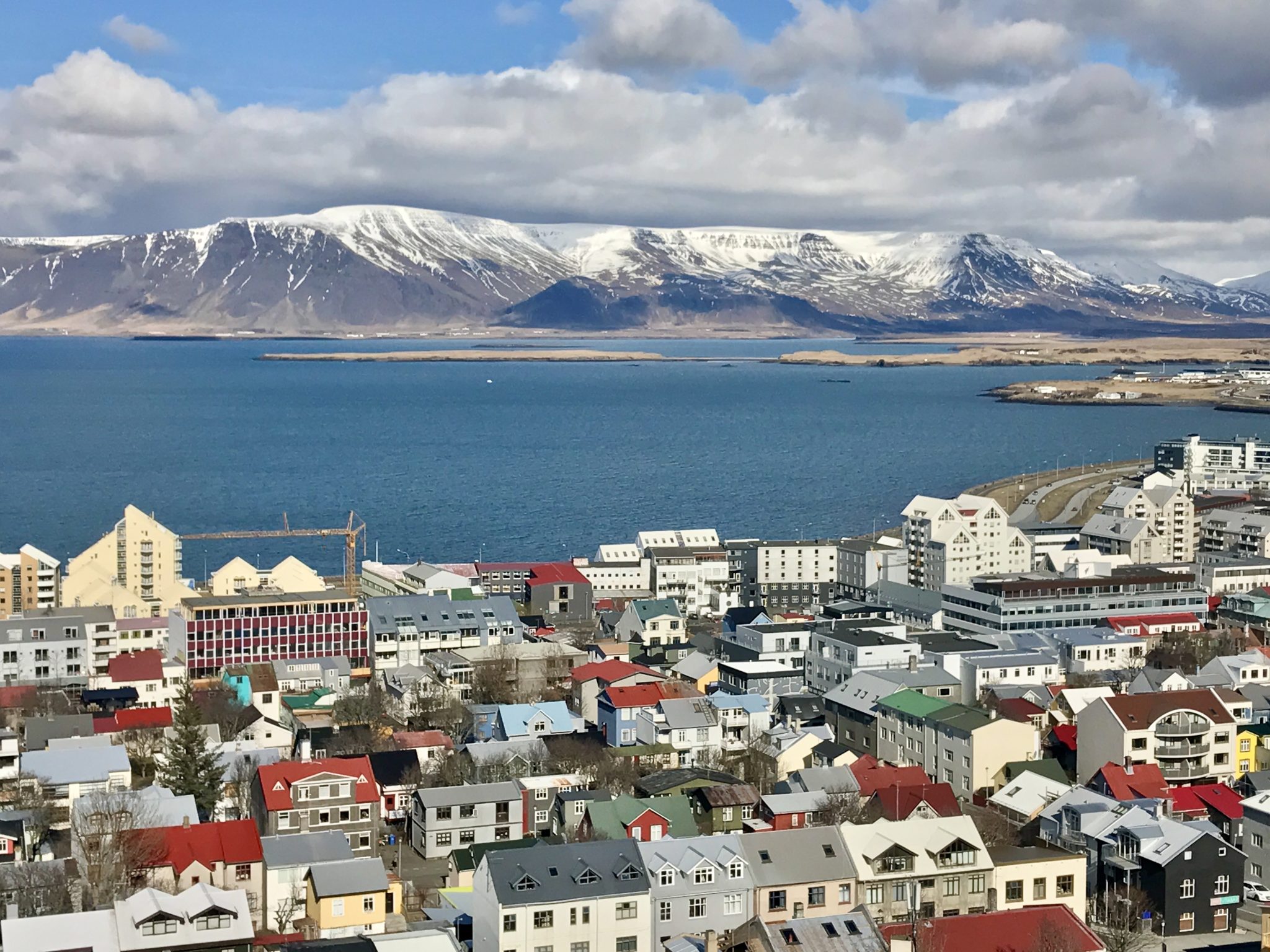
ReykjavíkIceland
When should you go?
The best time to visit
Pick the window that matches the trip you want.
June – August
Midnight sun, all roads open and the best hiking — but the busiest and most expensive time.
September – March
Northern lights season on dark, clear nights; shorter days and winter road conditions.
May & September
Shoulder months with fewer crowds and still-good road access.
What to actually do
The places
Grouped by how essential they are — tap any place for more on it, how long to allow and what to pre-book.
Don't get caught out
What to book ahead
Get out of town
Easy day trips
Close enough for a day — tap through for the full guide where we have one.
Time it right
Events worth building a trip around
Iceland Airwaves
A music festival in venues across the city.
Culture Night (Menningarnótt)
Free events and fireworks across Reykjavík.
Winter Lights Festival
Light installations and late museum openings.
Through the lens
Reykjavík in images
Tap any image for the full story — and where to go next.
Field notes
Stories from Reykjavík
Stories from Reykjavík are coming soon.
Good to know
Common questions about Reykjavík
Costs, getting around, and the local details worth knowing before you go.